


According to a scientific study, the average temperature in the town will increase by almost two degrees Celsius by 2050, while the biggest climate threats will be extreme heat waves, drought and torrential rains. The town is already trying to eliminate these negative phenomena today through the individual measures of the Action Plan.
The goal is aimed at saving energy, ecological transport, green infrastructure, waste management and intelligent solutions to ensure adequate quality of the residential and natural environment in the near future.
Resilience and ability to respond
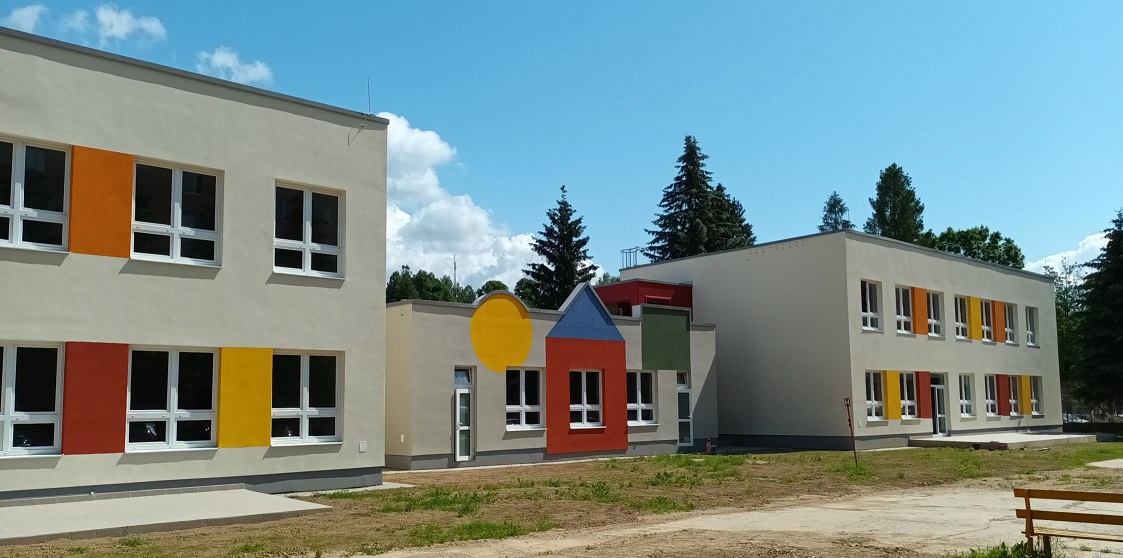
A few years ago, the municipality of Brezno joined the call of the Ministry of the Environment called SK-Climate and received a grant of 1.4 million euros from the Norwegian Financial Mechanism and the national budget. Thanks to these resources, it is gradually able to implement activities based on the strategic document called Action plan and measures of the town Brezno aimed at mitigating the effects of climate change, which should lead to increased resistance to climate change as well as the ability to react to its negative effects.
These measures are aimed at increasing the energy efficiency of buildings, reducing greenhouse gas emissions by investing in electromobility and non-motorized means of transport, saving energy thanks to the use of intelligent public lighting, cooling the environment by expanding green and blue infrastructure, capturing rainwater for reuse or creating conditions for thorough separation of biodegradable waste. In addition to investment activities, the project also focuses on educational activities and enlightenment in the field of environmental awareness in the online space (breznoklima.sk), but also through professional conferences. On June 22, 2023, the second in a row took place on the town's grounds.
Where we are and where we are going
At the beginning of the conference, the vice-mayor of Brezno, Miroslav Fašang, spoke to those present, who highlighted the town's active cooperation with individual organizations, external partners and the town's residents in the implementation of the necessary adaptation measures. "I think it´s very important to meet like this, to exchange experiences and at the same time present examples of good practice. We are all aware that the climate is changing, warming is coming, there is also a problem with water, but also with precipitation, which is extreme for our conditions, and we will have to deal with all of this," said Fašang.